
Describe the property
Send the location, symptoms, equipment and access details. State whether the work is a repair, replacement or planned project.
Now part of the
 family
Need plumbing help in Strathroy? Tell us about the leak, blocked drain, fixture or water heater. A responding provider will confirm coverage and availability before booking.
Get A Free QuoteCompare tank and tankless options using the access route, venting, household demand, and well-system capacity where applicable.
View scopeChoose cabling, hydro-jetting, or camera inspection based on the blockage, pipe condition, and any septic-system limits.
View scopeAssess galvanized or poly-B supply lines, compare replacement materials, and plan access through finished walls before work begins.
View scopeCheck fixture dimensions and connections, then coordinate drains, vents, and supply lines with renovation plans before finishes go in.
View scopeUse moisture timing, pressure isolation, and line locations to help distinguish a plumbing leak from other sources of dampness.
View scopeReview pit and pump capacity, backup power, discharge routing, and whether a backwater valve assessment fits the symptoms.
View scopeUse property-specific test results to compare softening, iron or sulphur treatment, and UV equipment where appropriate.
View scopeWater treatment should be based on a sample from the property and on the problem the household wants to address. Note visible staining, scale, odour, and which taps are affected, but do not treat those observations as a water test. If the home is on a well, arrange appropriate testing and share the results; a municipal supply and a private well may call for different equipment. Ask how a proposed sequence handles hardness, iron, sulphur, or bacteria when test results indicate those concerns.
Compare tank and tankless options using the access route, venting, household demand, and well-system capacity where applicable. Choose cabling, hydro-jetting, or camera inspection based on the blockage, pipe condition, and any septic-system limits. Assess galvanized or poly-B supply lines, compare replacement materials, and plan access through finished walls before work begins.
Check fixture dimensions and connections, then coordinate drains, vents, and supply lines with renovation plans before finishes go in. Use moisture timing, pressure isolation, and line locations to help distinguish a plumbing leak from other sources of dampness.
Review pit and pump capacity, backup power, discharge routing, and whether a backwater valve assessment fits the symptoms. Use property-specific test results to compare softening, iron or sulphur treatment, and UV equipment where appropriate.
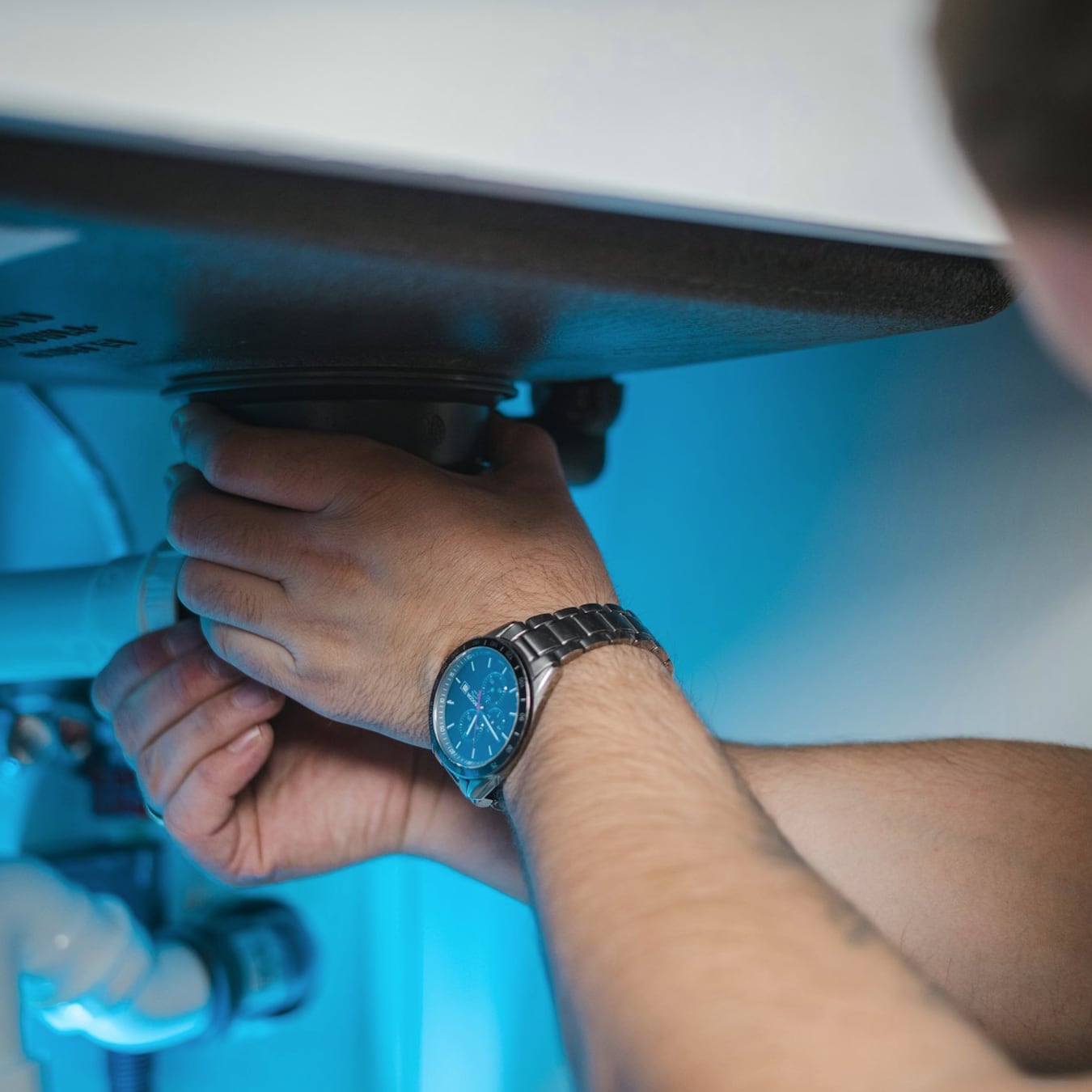
A slow drain can have different causes, from a local obstruction to a problem farther along the line. Note which fixtures are affected, whether the issue changes when other fixtures run, and how often it returns. If a line has backed up more than once, ask whether camera inspection is appropriate after clearing it. For a rural property, identify the route to the septic tank and any known limits on the system; those details help determine a suitable cleaning method.
Explore this serviceSend the location, symptoms, equipment and access details. State whether the work is a repair, replacement or planned project.
The request is reviewed so the responding provider can clarify the work, property access and service coverage.
Agree the provider identity, qualifications, written scope, pricing and visit window directly. Sending a form does not confirm an appointment.
Photograph markings, fittings, and any exposed pipe, then ask whether the material is galvanized, poly-B, or something else. Galvanized lines may corrode internally, while poly-B concerns can involve fittings. Confirm whether a quote covers a branch repair or replacement of the broader supply system.
For a long rural run connected to a septic system, identify the cleanouts, tank location, and any known system restrictions. Ask how the proposed method will avoid pushing material toward the tank or field inappropriately. This information can affect equipment setup, cleaning direction, and the work included.
For a yard line to a barn, cistern, or other outbuilding, mark known endpoints and photograph visible shutoffs or access points. Ask whether locating equipment can narrow the suspected section before excavation. A defined route and fault location can affect how much digging and repair are included.
Keep a copy of the sample results and note whether the source is a municipal connection or private well. If the source or results change, the design may need review. A property-specific test is more useful for selecting treatment than assuming nearby homes have identical water.
Measure the full path to the heater, including stair turns, ceiling height, and door openings. Photograph obstacles and the current unit in place. A tank that fits the utility area may not fit through the route, which can change the equipment choice and installation scope.
Use the form to describe the property, the symptoms and the work requested. For Mount Brydges, Komoka, Melbourne, Glencoe, include your postal code so local coverage can be checked.